
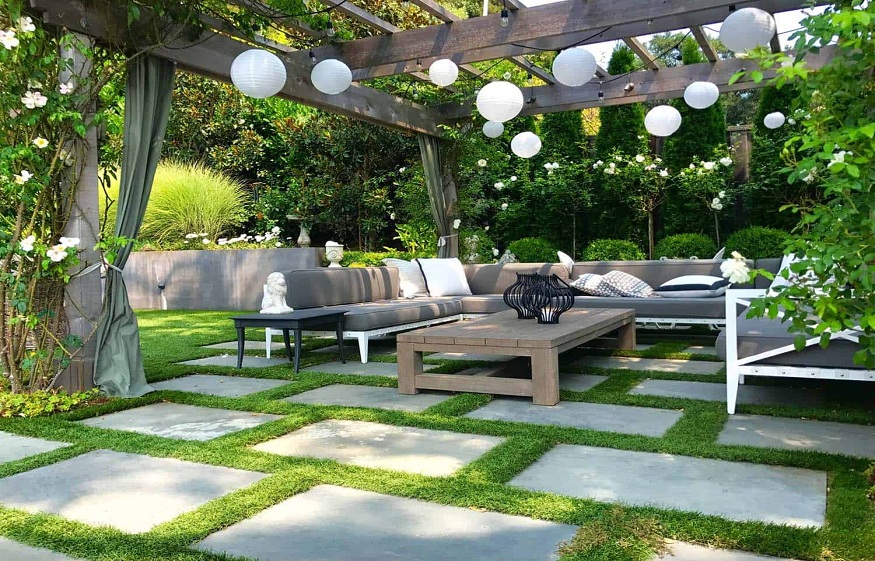
A well designed outdoor space does more than provide an attractive view. It creates a setting for people to gather, unwind, and feel a sense of belonging. Whether it is a small terrace, a generous garden, or a compact courtyard, thoughtful design can transform any outdoor area into a place that encourages connection. When a space is designed for people rather than simply for appearance, it becomes an extension of daily life and a quiet invitation to spend more time outdoors.
Start with Purpose
Every successful design begins with an understanding of purpose. Before choosing materials or furniture, consider how the space should serve you. Some people want a place for family meals or weekend gatherings, while others prefer a calm retreat to read, rest, or reflect. Spaces that are designed around how people use them feel more natural and comfortable. Defining this purpose allows you to make choices that encourage connection, whether that means open areas for conversation or quiet corners for shared moments of stillness.
Encourage Flow Between Indoors and Out
Connection begins with movement. The more easily you can move between the home and the garden, the more naturally you will use both. A clear route from kitchen to terrace, or open doors that invite light and air, helps blur the boundaries between inside and out. When furniture styles, colours, or materials echo those used indoors, the transition feels seamless. This sense of flow encourages people to wander, talk, and spend time together, turning outdoor space into an active part of the home.
Create Zones That Bring People Together
Even the smallest garden can be designed to support different types of connection. A dining table close to the house works well for shared meals, while a separate seating area can invite conversation late into the evening. Spaces for children to play, or for friends to gather around a fire pit, give the garden rhythm and life. These areas do not need to be divided by walls or fencing. Subtle changes in surface, planting, or level create distinction without cutting the garden into pieces. The aim is to let people move naturally from one space to another, with each area encouraging a different kind of interaction.
Read More: Sawdust and Scones: A Very British Cabin Story
Use Materials That Feel Warm and Welcoming
Materials shape both the look and the mood of a space. Natural tones and textures help outdoor areas feel comfortable and timeless. Composite decking provides a soft and stable platform for socialising, combining the appearance of timber with the benefit of durability and low maintenance. Stone or gravel can add contrast and texture, while well chosen furniture and finishes tie everything together. When materials are selected to complement each other, the whole space feels harmonious and inviting.
Layer with Comfort
Comfort is the foundation of connection. People linger where they feel at ease. Choose furniture that invites relaxation, with cushions, throws, and soft textures that add warmth. Low tables create informal places to share food and drink. Outdoor rugs define zones and help unify different surfaces. Shade and shelter are also important, allowing the space to be enjoyed through different weather and seasons. When comfort is built in, people are more likely to spend time outdoors, turning fleeting visits into longer moments of togetherness.
Shape the Mood with Light
Lighting can change the entire character of an outdoor space. During the day, sunlight plays across surfaces, creating natural highlights and shadows. As evening falls, soft lighting helps maintain atmosphere and connection. Lanterns, low level LEDs, or festoon lights can all create a sense of intimacy. Light along pathways draws people through the garden, while gentle uplighting on plants or trees adds depth and structure. The right balance of brightness and warmth makes evenings outside feel relaxed and sociable rather than harsh or overlit.
Let Nature Lead the Design
Planting does more than decorate a garden. It sets the tone and shapes how people experience the space. Tall planting or trees can frame views and provide a sense of enclosure, while open borders filled with grasses or perennials invite movement and texture. Fragrant plants such as lavender or rosemary encourage interaction, inviting people to brush past or lean in. Seasonal variety keeps the space interesting, giving people reasons to return and notice change. When planting supports rather than overwhelms, it helps people feel connected not only to each other but also to nature.
Consider Sound and Scent
Spaces that invite connection often appeal to all the senses. The sound of rustling leaves, gentle water, or birdsong creates a calming rhythm that helps people slow down and be present. Scent adds another layer, turning ordinary moments into something memorable. Herbs, flowers, or even the smell of rain on timber surfaces can create a sensory experience that grounds people in the moment. These subtle cues remind us that connection is as much about feeling as it is about conversation.
Read More: What Are the Pros and Cons of a Floating Deck?
Balance Privacy and Openness
Feeling connected does not always mean being fully exposed. Privacy allows people to relax and feel at home outdoors. Screens, planting, or fencing can all help create this sense of comfort while keeping the space open to light and air. The goal is to design boundaries that protect without isolating. When people feel secure and unobserved, they are more likely to linger, talk freely, and enjoy their surroundings.
Make It Work in Every Season
Outdoor connection should not be limited to summer. A well designed space performs beautifully throughout the year. Evergreen planting maintains structure through the colder months, while sheltered areas and outdoor heaters extend use into autumn and winter. Lighting, texture, and adaptable furniture ensure that even short days feel welcoming. Planning for year round enjoyment means that the garden becomes a constant part of life rather than a seasonal luxury.
The Emotional Layer
The most successful outdoor spaces are those that feel personal. They reflect the rhythms, relationships, and routines of the people who use them. A table that holds morning coffee, a bench where friends gather, or a spot that catches the last evening light all become small rituals that shape connection. These emotional details cannot be designed through layout alone. They emerge when a space supports the way people truly live and interact.
For wider commercial, hospitality, or public-facing projects, small supporting details can make the finished space feel more complete. Hand dryers can support cleaner, more efficient washroom facilities; while traditional signage can add character, direction, and brand presence; while digital signage can share changing information, promotions, menus, or wayfinding updates clearly.
Conclusion
Designing outdoor spaces that invite connection is about more than appearance. It is about creating settings that encourage people to gather, talk, and enjoy shared experiences. Through thoughtful planning, comfortable materials, and a sensitivity to light, sound, and nature, any outdoor area can become a place where life feels more open and connected. When the design flows naturally from the home and responds to the people who use it, the result is a space that strengthens relationships and enriches daily living.